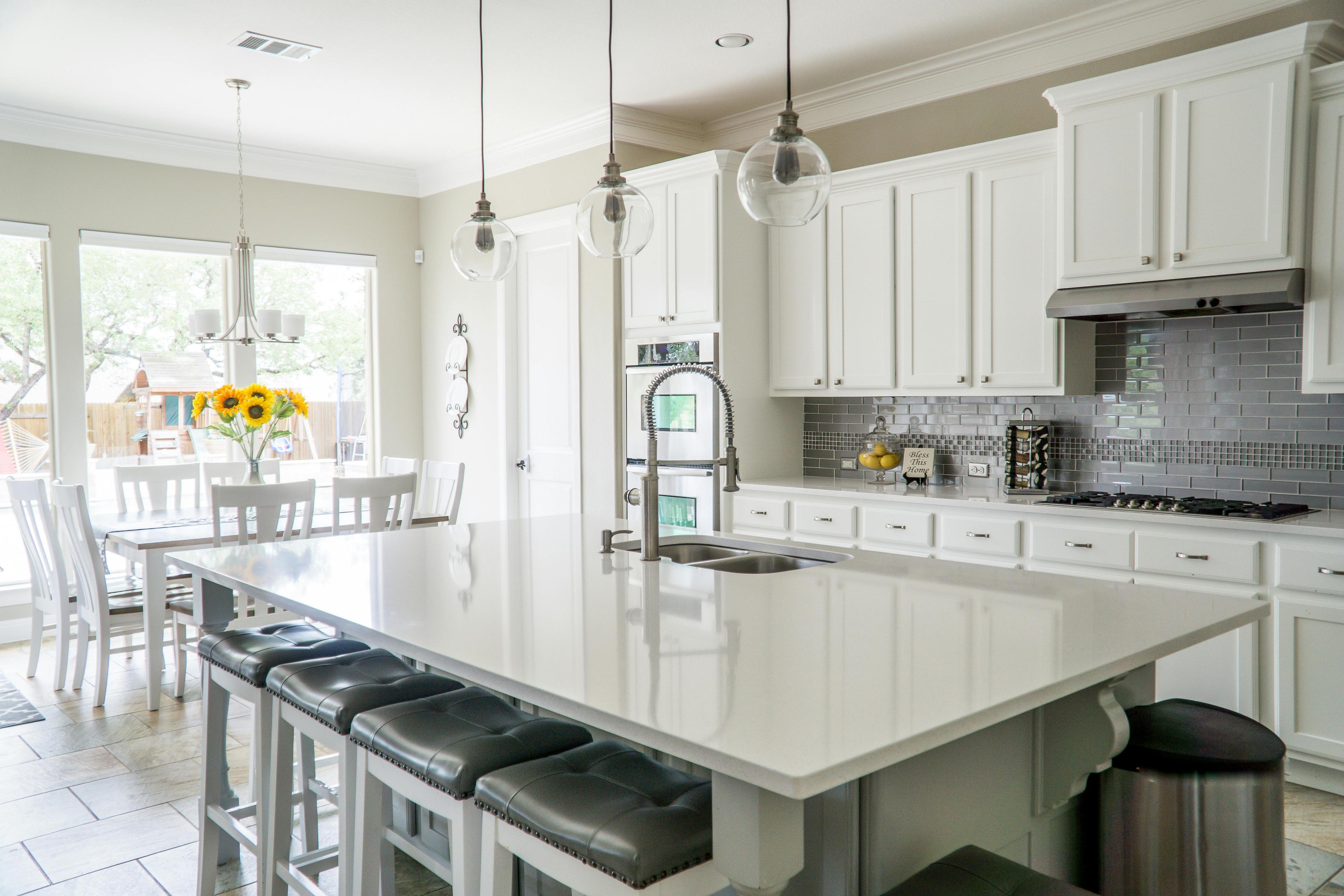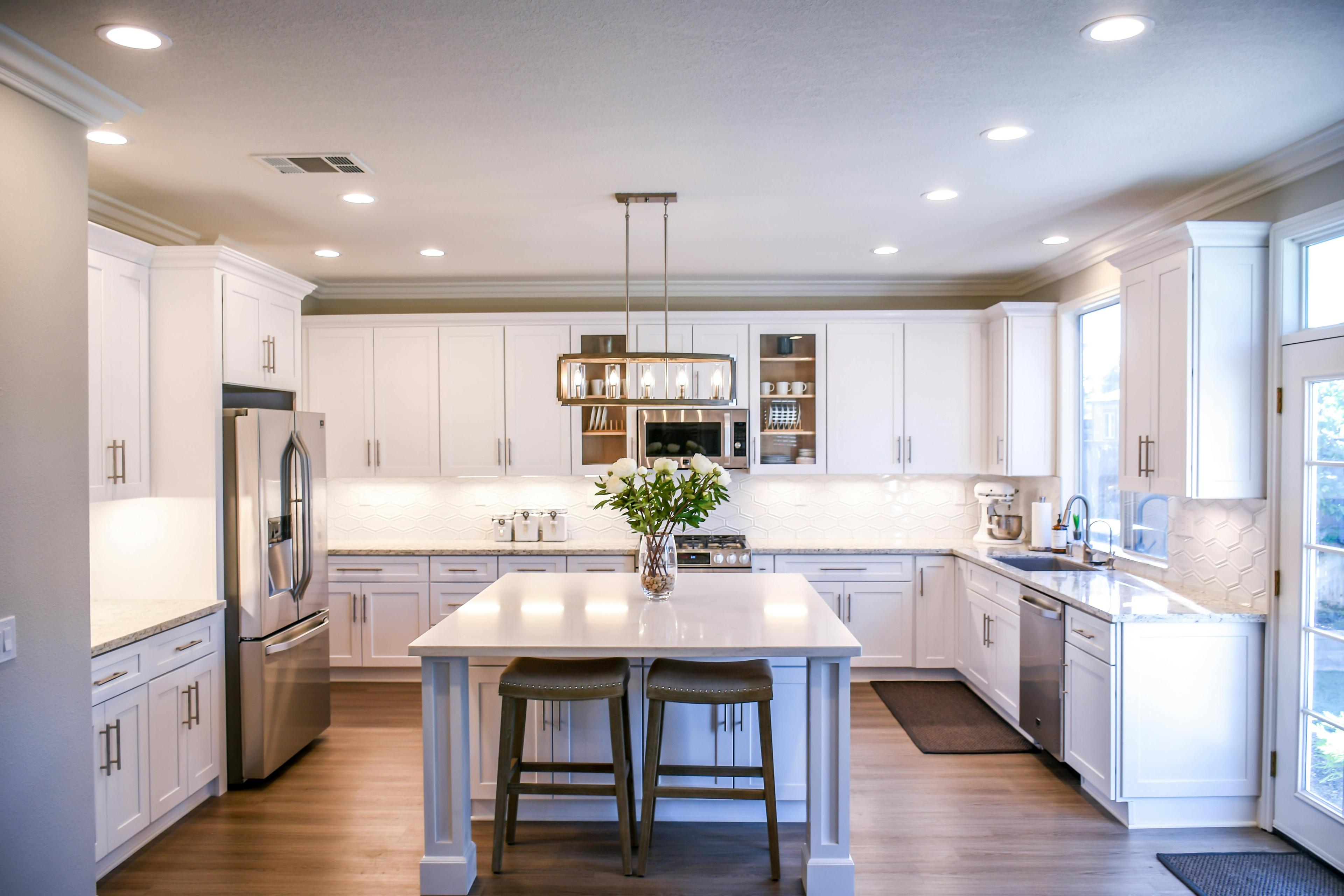
For decades, carpenter-built kitchens were the default in NCR — you'd hire a local carpenter, source plywood from the market, pick up handles from Anand Vihar, and build something custom. Modular kitchens (factory-fabricated, standardised cabinets, branded hardware) came in as the premium option. In 2026, both options still exist. Which one makes sense depends on what you're optimising for.
Where carpenter-made wins
- Highly custom shapes — irregular walls, narrow corners, non-standard ceiling heights.
- Tight budget (₹1.5 – 2.5 lakhs for a basic kitchen).
- Existing relationship with a trusted carpenter who knows your preferences.
- Short-term needs (you're moving in 2 – 3 years anyway).
Where modular wins
- Hardware quality — Hafele/Hettich at every price tier, not 'whatever the carpenter found'.
- Soft-close drawers without compromises.
- Consistency — factory QC catches issues a single carpenter might miss.
- Warranty — 10-year carcass, 5-year hardware. Carpenter work is rarely warrantied past 1 year.
- Speed — 10 – 22 days for a factory build vs 6 – 8 weeks for a careful carpenter.
The 5-year test
Most kitchens look great on day one. The real test is how they hold up after 5 years of daily Indian cooking — high humidity, frequent spills, ghee splashes, masala drawers being slammed shut a hundred times a week. Modular kitchens with BWP plywood and branded hardware hold up well; we've serviced kitchens we built 6 – 7 years ago that need only minor touch-ups. Carpenter kitchens with sub-grade plywood and generic hardware often need full cabinet replacement around year 4.
If you're going carpenter-made, the savings only hold if you specify BWP plywood (not MR), branded hardware (Hettich/Hafele/Ebco), and PU finish (not laminate). At that spec, the price gap shrinks to 15 – 20%, and you lose the warranty advantage.